
The Cookie Matrix: A Strategic Guide to Holiday Baking Decisions
Babette PepajShare
It's 10:47 PM on a Tuesday in early December, and you're standing in your kitchen staring at three different cookie recipes pulled up on your phone, a grocery list that keeps getting longer, and a calendar that's making you want to cry.
You need cookies for the office party on Friday. Also for your kid's teacher. Wait, both teachers? And didn't you promise something for the neighborhood cookie exchange? Plus your sister's family is coming over this weekend and you can't show up empty-handed to your own sister's house, and oh god, your mother-in-law's birthday is next week and she made that comment last year about how "store-bought is fine too, dear."
This is the moment where holiday baking stops being about joy and starts being about logistics, diplomacy, and the sinking feeling that you're going to disappoint someone.
I know this moment intimately. After 19 years of running BakeSpace.com, watching millions of home bakers navigate December, I can tell you this feeling is so universal it might as well be a symptom of the season itself. Right up there with tangled lights and credit card anxiety.
The Thing About Cookie Decisions
Here's what nobody tells you when you're pinning those gorgeous cookie photos in October: the hard part isn't the baking. You can follow a recipe. You can cream butter and sugar. You can probably even figure out what "soft peaks" means if you really focus.
The hard part is standing in your kitchen trying to decide if snickerdoodles are impressive enough for your boss or too casual, whether you can bring chocolate chip cookies to a cookie exchange without looking like you didn't try, if those beautiful decorated sugar cookies will survive the drive to your aunt's house, and whether making seven dozen cookies for various obligations makes you a generous person or an insane one.
These are not baking questions. These are strategic warfare questions that happen to involve flour.
The Variables That Will Break You
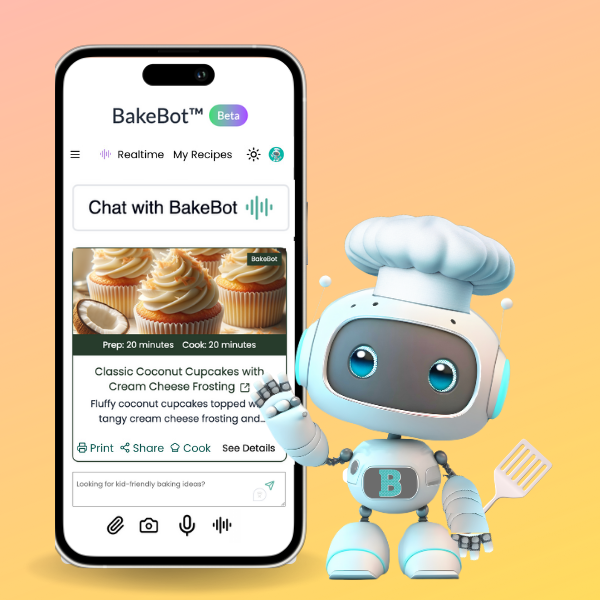
When I was developing BakeBot (our new AI baking assistant), I thought the challenge would be teaching it about oven temperatures and ingredient substitutions.
Wrong.
The actual challenge was teaching it to understand that cookie decisions are never just about cookies.
Transportation: You know which cookies travel well. Those shortbread rounds in the tin? They could survive a car accident. Those delicate pizzelles with the powdered sugar? They're going to look like confetti if you hit one pothole. But you want to bring the pizzelles because they're impressive, and now you're trying to calculate exactly how carefully you can drive while also not being late.
Time vs. Reality: It's Wednesday. The party is Friday. The recipe says "chill dough overnight" and involves rolling things in colored sugar and then you need to let them set and suddenly you're doing math about whether you can sleep at all between now and Friday, or if you should just accept defeat and make chocolate chip cookies like a normal person.
The Allergy Situation: When did this happen? When did every gathering come with a footnote about tree nuts, peanuts, gluten, dairy, eggs? You want to be inclusive. You genuinely do. But now you're googling "best vegan cookies that don't taste like sadness" at midnight and wondering if you should just make three different batches and label everything like you're running a commercial bakery.
The Impression You're Trying to Make: Your boss gets different cookies than your actual friends. Your kid's teacher gets different cookies than your mother-in-law. The cookies you bring to a cookie exchange where there will be judging (and there is always judging, even when everyone says there isn't) are different than the cookies you make for your book club where everyone's just happy you showed up.
You're not making cookies. You're making decisions about relationships, and the cookies are just the medium.
What I've Learned From 19 Years of Watching People Stress-Bake
You need a system. Not because systems are fun (they're not), but because December without a system is just chaos with sprinkles.
Here's what actually works:
Sort your obligations by relationship level. Close family who loves you no matter what? They get the experimental cookies, the ones that maybe burnt a little on the edges, the recipe you're trying for the first time. They're going to eat them and tell you they're delicious because they love you. Professional acquaintances and people you're trying to impress? They get the tried-and-true recipes you could make in your sleep. Save your anxiety for things that matter.
Know your make-ahead cookies from your day-of cookies. Some cookies are better three days later. Some cookies peak at hour six and go downhill from there. If you don't know which is which, you're going to be baking constantly for four weeks straight and slowly losing your mind. Ask me how I know this.
Match cookies to transportation requirements. Delicate cookies get hand-delivered to people who live close. Sturdy cookies get packed up for the people across town. This is not complicated, but somehow every year we all forget this basic truth and show up places with crumbled sadness.
Accept that chocolate chip cookies are perfect and underrated. I know they feel basic. I know you want to show up with something that makes people gasp. But really good chocolate chip cookies, made with actual effort and good ingredients? People lose their minds. They're the little black dress of cookies. They work everywhere, for everyone, and no one is ever disappointed.
The Part Where I Admit I'm Not Superhuman
I spent years thinking I should just remember all this. Who likes what, who's allergic to what, which cookies I successfully made ahead last year, which recipes failed spectacularly and should never be attempted again (looking at you, macarons that made me question my entire skill set).
But I'm running BakeSpace, helping thousands of home bakers figure out their own holiday chaos, and also trying to, you know, have a life and relationships and occasionally sleep.
That's why I built BakeBot. Not because I think we need AI to tell us how to cream butter (we don't), but because I was tired of seeing home cooks stress. Tired of watching them forget things. Tired of seeing smart people reinventing the wheel every December. Tired of watching brilliant bakers in our community stress themselves into exhaustion because they couldn't remember which version of sugar cookies worked last year or which neighbor mentioned being gluten-free.
BakeBot is basically organized memory. It knows that your coworker Sarah is allergic to tree nuts. It remembers that you made those ginger cookies too far in advance last year and they went stale. It can tell you, based on real data from actual bakers on BakeSpace, which cookies hold up for shipping and which ones need to be eaten within 24 hours.
Not only will it make you a better baker, it makes December slightly less likely to break you.
What We're Actually Doing Here
The truth is, you already know how to bake cookies. That's not the problem.
The problem is that December turns cookie baking into an emotional calculation where every batch represents a relationship, every recipe choice is a statement about how much you care, and every box you pack up and deliver is you trying to say "I thought of you" in sugar and butter.
And that's a lot of pressure for cookies to carry.
So here's what I want you to know: the person receiving your cookies doesn't care if they're the most impressive thing they've ever seen. They care that you made them something. That you thought of them in the middle of your own December chaos.
The cookies you can actually accomplish are always better than the cookies you meant to make but ran out of time for.
The cookies that arrive in one piece are better than the architecturally stunning ones that crumbled in transit.
The cookies made with love and manageable stress are better than the cookies made while crying at 2 AM because you're trying to do too much.
This isn't permission to phone it in. This is permission to be strategic, to be realistic, and to remember that the point of all this isn't to prove anything.
The point is the moment when someone opens the container and smiles.
That's what we're actually baking.
The rest is just figuring out the logistics.
Babette Pepaj is the founder of BakeSpace.com, where home bakers have been sharing recipes and chaos for 19 years, and BakeBot.ai, an AI kitchen helper built to understand cooking & baking!